Exploring Gender Roles in Traditional Agricultural Societies
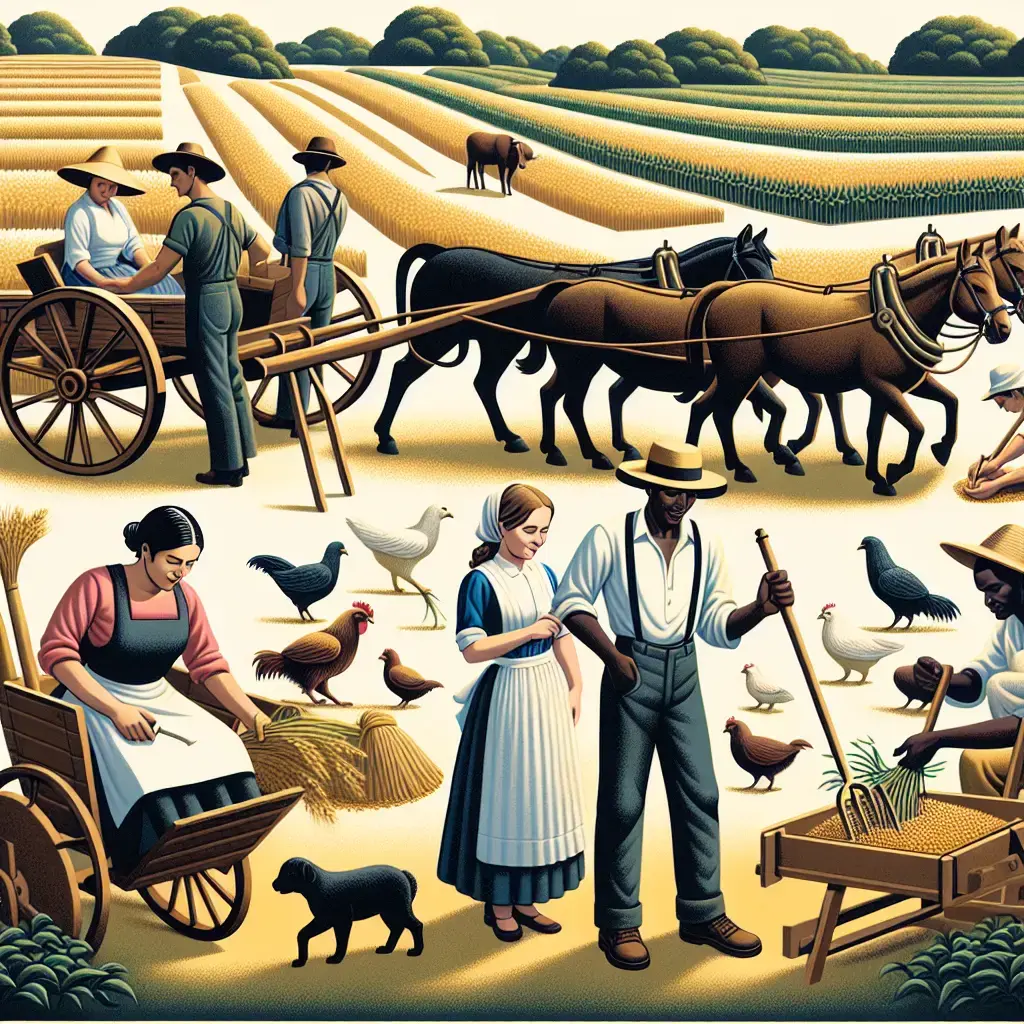
In traditional agricultural societies, farming is the lifeblood of the community, and gender roles have historically dictated the division of labor. These roles not only determine who tills the land or tends livestock but also shape rural gender identities. Traditionally, men have taken on physically demanding tasks such as plowing fields and managing large livestock, reflecting a gender-based labor division that persists in many parts of the world.
Conversely, women have typically engaged in planting, weeding, and harvesting crops while managing household duties. This division highlights a dichotomy where women's contributions, though essential, are often undervalued, leading to gender inequality in agriculture—a pressing issue affecting both economic and social dynamics.
Understanding the gender dynamics in farming requires examining how these roles have evolved over time. Despite technological advances and shifting societal norms, traditional communities often adhere to established norms that influence daily life. This cultural entrenchment raises questions about how gender roles impact productivity and community well-being.
By exploring these roles, we can gain insights into persistent challenges and potential pathways for equitable participation in farming. In this discussion, we delve into how historical patterns influence modern practices and offer opportunities for transformation.
Gender Roles in Traditional Agricultural Societies: Tradition and Transformation
Despite modernization and technological advancements, many traditional farming communities continue to uphold established gender norms. Here, we explore the intricacies of these roles, drawing on recent developments to provide a comprehensive view.
Historical Context and Persistent Traditions
Gender roles in agriculture have deep historical roots. Traditionally, men's farming tasks involved physically demanding work like plowing fields and managing large livestock, tied to masculine expectations. Women's roles focused on planting, weeding, and harvesting crops, along with household responsibilities. While vital for community sustenance, women's contributions have often been undervalued, perpetuating gender inequality.
The persistence of these traditional roles prompts questions: How do these historical patterns influence modern practices? Are there opportunities for transformation? Events like the 2024 Rose of Tralee Festival highlight women's contributions in various fields, subtly questioning historical gender norms Rose of Tralee Festival.
Modern Challenges and Societal Shifts
Recent discussions at the American Comparative Literature Association's Critical Caste Studies conference underscore scrutiny of traditional societal structures, including agriculture, and demand reform. The intersection of caste and gender offers insights into broader dynamics Critical Caste Studies Conference.
Similarly, the SOAS GLOCAL African Assembly on Linguistic Anthropology emphasizes how language reflects and reinforces agricultural gender norms SOAS GLOCAL African Assembly. Language plays a crucial role in perpetuating or challenging these norms, influencing perceptions of gender roles in farming.
Case Study: Gender Dynamics in Israeli Agriculture
A recent article from Grapevine Magazine discusses evolving gender dynamics in Israeli agriculture, where women increasingly assume leadership roles traditionally reserved for men. This shift mirrors a trend toward appreciating women's contributions and abilities Grapevine Magazine.
This case exemplifies how cultural roles adapt to modern realities. By recognizing women's roles in agriculture, communities can enhance productivity and promote gender equality.
The Role of Media and Popular Culture
Media representations significantly shape perceptions of gender roles. Shows like "Sex and the City," which popularized Carrie Bradshaw, illustrate media's influence on societal norms and aspirations Sex and the City. Although seemingly unrelated to farming, these phenomena affect perceptions of gender identities across contexts.
Conversely, shows like "Girls" explore modern femininity, departing from traditional expectations and providing a platform for discussions about women's evolving roles Girls. These narratives contribute to broader conversations by challenging stereotypes and promoting diverse representations.
Opportunities for Transformation
Understanding gender dynamics in farming involves recognizing challenges and opportunities for change. While traditional communities often adhere to established norms, transformation is possible through education, policy changes, and community initiatives.
Education: Programs educating both men and women about sustainable practices empower women to participate equitably. Education can challenge cultural roles by highlighting women's contributions.
Policy Changes: Policies supporting women's access to resources like land, credit, and technology can reduce gender inequality. These policies aim to dismantle structural barriers that perpetuate gender-based labor divisions.
Community Initiatives: Grassroots movements redefine rural gender roles. Encouraging community dialogues about equality can lead to more inclusive practices benefiting all members.
Conclusion: Navigating Tradition and Transformation in Agricultural Gender Roles
Exploring gender roles within traditional agricultural societies reveals a complex interplay between longstanding customs and modern shifts toward equality. This examination underscores critical insights:
Historical Context: Gender roles have deep historical roots with men undertaking physically demanding tasks while women's contributions center on undervalued activities.
Modern Challenges: Events like the American Comparative Literature Association's conference highlight growing demands for reform. Language's role in reinforcing norms complicates dynamics.
Cultural Shifts: Case studies like Israeli agriculture show how traditional roles adapt to modern realities, acknowledging women's leadership.
Media Influence: Media shapes societal perceptions of roles. Challenging stereotypes influences discourse surrounding women's roles in farming.
Opportunities for Change: Education, policy changes, and community initiatives offer pathways for transforming norms in agriculture. Empowering women enhances participation and productivity.
Balancing tradition with change is vital for fostering inclusive communities where both genders thrive equally. We must continue challenging outdated norms and supporting initiatives promoting equality.
I invite you to share your experiences on this topic. How have you observed gender roles evolving in agricultural settings or other areas? Your insights could spark further discussion and contribute to equity in farming and beyond.
Thank you for joining this exploration. Until next time, may we cultivate understanding and inclusivity.
Author: Oliver Jennings