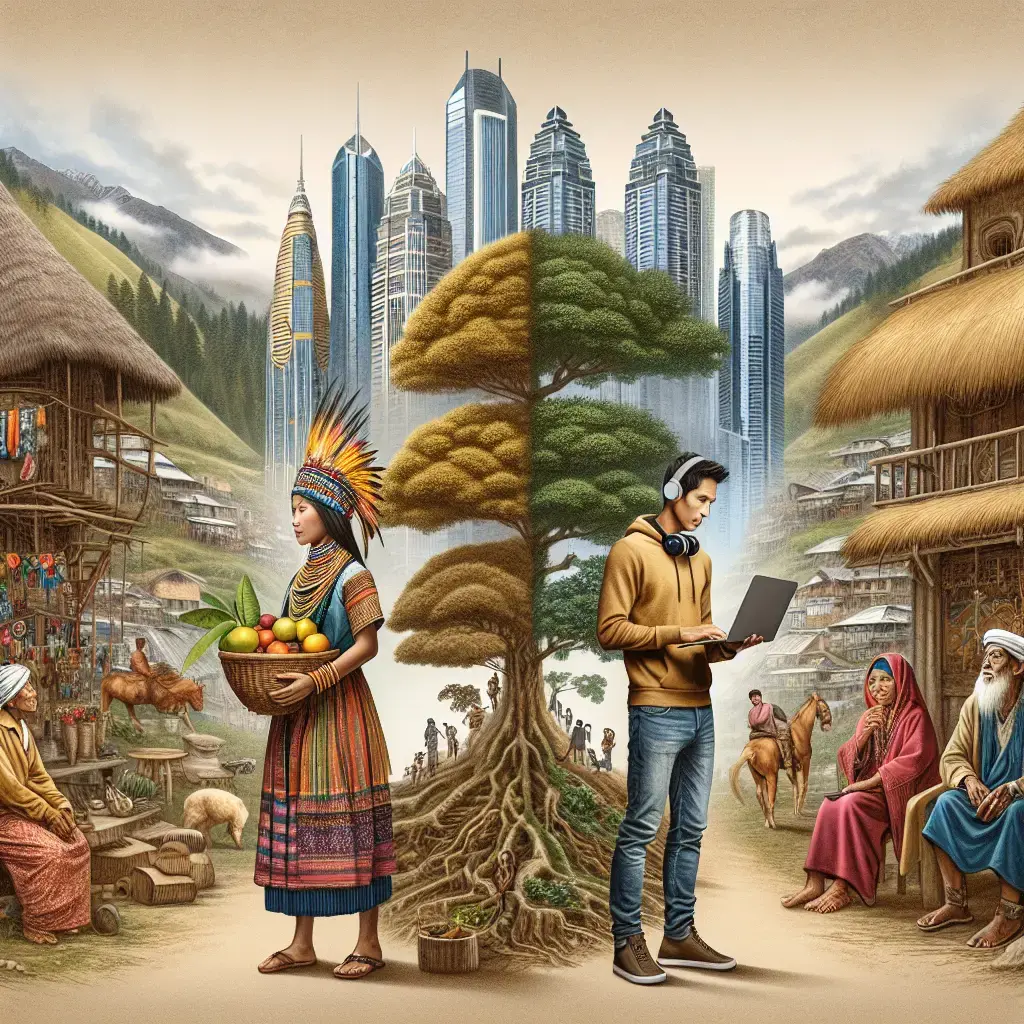
Exploring the Intersection of Globalization and Indigenous Cultures
In the ever-evolving tapestry of our interconnected world, the impact of globalization on indigenous cultures stands out as a profound narrative of both challenge and resilience. The effects of globalization on indigenous communities are multifaceted, influencing every aspect from cultural identity to traditional practices. As cultural globalization and indigenous peoples converge, there emerges an urgent discourse on indigenous cultural preservation amidst rapid global change.
The Impact of Globalization on Indigenous Cultures
The intersection of globalization and indigenous cultures forms a complex narrative, characterized by multifaceted effects on cultural identity, traditional practices, and indigenous resilience. In this section, we delve into how globalization affects indigenous cultures, emphasizing the importance of protecting these cultural identities amidst rapid global change.
Erosion of Indigenous Languages and Traditions
One of the most pressing globalization challenges for indigenous cultures is the erosion of indigenous languages and traditions. As global languages like English and Spanish dominate, many indigenous languages face extinction. A recent report from the American Museum of Natural History highlighted the need for repatriating the remains of Native individuals to their respective communities, emphasizing the urgency of preserving their languages and cultural heritage. The loss of language often leads to the disappearance of traditional knowledge and cultural practices that are integral to indigenous identities.
The Role of Cultural Institutions
Cultural institutions play a pivotal role in preserving indigenous heritage against the pressures of globalization. The renovation of Arthur Erickson's Museum of Anthropology at UBC serves as an exemplar of this effort. By integrating elements reminiscent of a Shinto shrine, cathedral, and longhouse, the museum stands as a temple to learning, providing a platform for indigenous voices and cultural expression. Such institutions not only celebrate indigenous traditions but also foster an understanding of cultural diversity and globalization.
Indigenous Rights and Globalization
Indigenous rights form a critical framework for safeguarding cultural heritage. The Parthenon Museum's recent return of 500-year-old Mexican artifacts highlights the importance of respecting indigenous rights to combat the homogenizing forces of globalization. Protecting these rights ensures that indigenous communities can maintain control over their cultural resources and knowledge systems.
Indigenous Resilience and Adaptation
Despite these challenges, indigenous communities demonstrate remarkable resilience in adapting to globalization. Many have successfully integrated modern technologies while preserving their unique cultural identities. This resilience is exemplified by the rise of digital platforms promoting indigenous languages and traditions in innovative ways.
The intersection of technology and culture is explored in works like "Love and Technology: An Ethnography of Dating App Users in Berlin", which examines how digital tools can coexist with traditional cultural norms. Such examples highlight how indigenous peoples are navigating globalization's complexities by blending modernity with tradition.
Case Study: Teotihuacan's 'Pyramid of the Moon'
An intriguing case study is the recent research on Teotihuacan's 'Pyramid of the Moon', which aligns with the solstice sun. This discovery underscores the enduring legacy of indigenous knowledge systems that have withstood globalization's pressures. By valuing such historical insights, we can appreciate how indigenous communities contribute to our collective human experience.
Globalization Effects on Native Cultures
Globalization's impact on native cultures extends beyond language and tradition, influencing socio-economic structures within indigenous communities. For example, the expansion of industries like Anduril's autonomous weapons manufacturing poses threats to indigenous lands and resources. Balancing economic development with cultural preservation is crucial in protecting indigenous cultures from adverse globalization effects.
Cultural Diversity and Globalization
In navigating these challenges, there is a growing discourse on cultural diversity and globalization. Efforts to protect cultural diversity are paramount in ensuring that indigenous traditions are not overshadowed by dominant global narratives. This involves creating policies that respect indigenous knowledge systems and promote cultural heritage as a vital component of our global identity.
Engaging with Indigenous Knowledge
To truly appreciate the globalization impact on indigenous cultures, it is essential to engage with indigenous knowledge. This means recognizing the value of traditional ecological practices, healing methods, and social structures that have sustained these communities for generations. By integrating indigenous perspectives into global conversations, we can foster a more inclusive understanding of our shared world.
Conclusion
The effects of globalization on indigenous communities are profound, posing both challenges and opportunities. As we continue to explore this dynamic interplay between cultural globalization and indigenous peoples, it becomes clear that preserving indigenous cultural heritage requires a concerted effort from all sectors of society. By valuing indigenous resilience and promoting cultural diversity, we can ensure that these vibrant cultures remain an integral part of our global mosaic.
In this rapidly changing world, what role will you play in protecting and celebrating indigenous cultures? Engaging with these questions not only enriches our understanding but also empowers us to contribute positively to this vital cause.
Author: Oliver Jennings
I invite you to reflect on your role in this journey. How can you contribute to preserving and celebrating indigenous cultures? Share your experiences, insights, or thoughts on this vital topic in the comments below. Together, let's foster an inclusive understanding of our shared world.