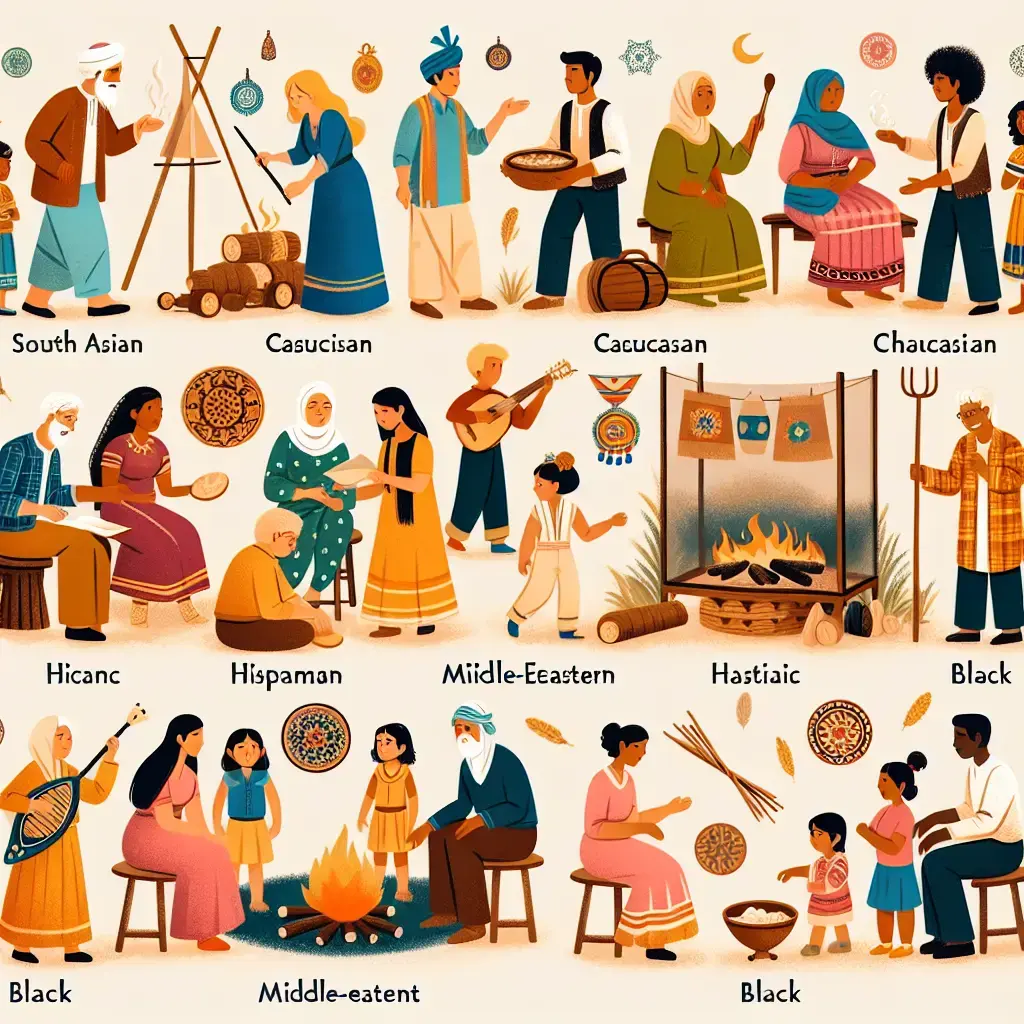
The Role of Folklore in Shaping Cultural Identity
In the intricate tapestry of human civilization, folklore serves as a vibrant thread, weaving together the narratives that shape cultural identity. From myths and legends to traditional stories passed down through generations, folklore plays a pivotal role in cultural identity formation and the preservation of heritage. These cultural narratives are more than mere stories; they are foundational elements that influence how communities perceive themselves and their place in the world. The impact of folklore on culture is profound, serving as a repository of shared values, beliefs, and traditions that reinforce social identity.
As cultural storytelling unfolds across generations, it cements the ties that bind communities, fostering a sense of belonging and continuity. The influence of folklore on culture is evident in its capacity to convey complex social mores and historical contexts through engaging tales. Folklore traditions are not static; they evolve, reflecting the dynamic nature of cultural identity while preserving the core elements that define community identity.
Folklore Influence on Culture: A Historical Perspective
Throughout history, folklore has been the bedrock of cultural identity formation, acting as a repository for the collective memory of a community. For instance, the alignment of Teotihuacan's 'Pyramid of the Moon' with the solstice sun is a testament to the ancient city’s intricate understanding of astronomy and its importance in their cultural narratives (Archaeology Magazine). Such structures are more than architectural feats; they are embodiments of the myths and cultural identity that defined the people who built them.
Similarly, institutions like Arthur Erickson's Museum of Anthropology at UBC, recently revitalized to reflect its cultural significance, serve as modern shrines to learning and heritage (Museum of Anthropology). The museum stands as a testament to the enduring importance of folklore in contemporary society, inviting visitors to engage with the stories that have shaped diverse cultures across time.
Cultural Storytelling: Bridging Generations
In today's digital age, cultural storytelling continues to evolve, finding new platforms for expression. The book "Love and Technology: An Ethnography of Dating App Users in Berlin" explores how modern technology intersects with traditional narratives in Berlin's unique dating culture (Routledge). This exploration reveals how digital tools are reshaping cultural identities while still preserving core elements of community identity.
Moreover, the recent initiative by the American Museum of Natural History to repatriate the remains of 124 Native people underscores the importance of respecting and preserving indigenous folklore traditions (American Museum of Natural History). Such actions reflect a growing awareness of the need to honor and integrate traditional stories and identity into the broader tapestry of national heritage.
Folklore and Community Identity: Modern Challenges
The preservation of folklore in modern societies faces numerous challenges, particularly in an era where cultural identities are increasingly scrutinized. Vice President Kamala Harris's experiences with racial identity attacks highlight the complex dynamics of cultural identity formation in a multicultural society (The New York Times). Her story illustrates how myths and cultural identity can be wielded both as tools for empowerment and as weapons for division.
In response to these challenges, digital platforms have emerged to foster dialogue and understanding. For example, a new digital platform designed for young conservatives seeks to challenge traditional political narratives while engaging with cultural storytelling in innovative ways (Politico). Such platforms exemplify how folklore can adapt to contemporary contexts, influencing how communities perceive themselves and their place in the world.
Folklore Preservation: A Call to Action
The imperative to preserve folklore is increasingly recognized as essential for maintaining cultural vitality. Initiatives like the Parthenon Museum in Nashville returning 500-year-old Mexican artifacts underscore the global effort to safeguard intangible heritage (The Tennessean). These efforts highlight the role of folklore in reinforcing social identity and promoting cross-cultural understanding.
Additionally, anthropological studies continue to emphasize the importance of integrating folklore studies into broader academic disciplines. The four-field approach in anthropology—archaeology, linguistics, physical anthropology, and cultural anthropology—reflects this holistic perspective (American Anthropological Association). Each subfield contributes to a deeper understanding of how traditional stories and identity shape cultural landscapes.
Folklore Traditions: Adapting to Change
Folklore traditions are not static; they evolve alongside societies. Palmer Luckey's startup Anduril's ambition to create a Tesla-style weapons factory raises questions about how technology influences modern folklore narratives (Forbes). As communities navigate such technological advancements, they simultaneously redefine their cultural storytelling methods, ensuring that traditional values persist even as new narratives emerge.
The dynamic nature of folklore is further exemplified by research suggesting that Dunbar's Number—an anthropological concept related to social connections—is quadratic rather than linear (ScienceDirect). This insight challenges existing perceptions and invites further exploration into how community identities adapt within changing relational spaces.
Conclusion: The Enduring Impact of Folklore on Culture
In conclusion, the role of folklore in shaping cultural identity is both profound and enduring. As communities around the world grapple with contemporary challenges, folklore remains a critical tool for preserving heritage and fostering social cohesion. From ancient architectural alignments to modern digital dialogues, folklore continues to influence how we understand ourselves and each other.
As we move forward into an increasingly interconnected future, the need to preserve and adapt these rich traditions becomes ever more apparent. By embracing the transformative power of folklore, we can ensure that cultural identities remain vibrant and resilient, bridging generations and maintaining our collective connection to the past.
For further exploration into how these rich traditions continue to influence and define cultural landscapes across the globe, consider visiting reputable sources such as UNESCO or Smithsonian Folkways. These platforms offer invaluable insights into the ongoing efforts to preserve and celebrate our shared intangible heritage.
Thank you for joining me on this exploration of folklore's profound impact on cultural identity. Your thoughts and experiences are welcome here.
Author: Oliver Jennings