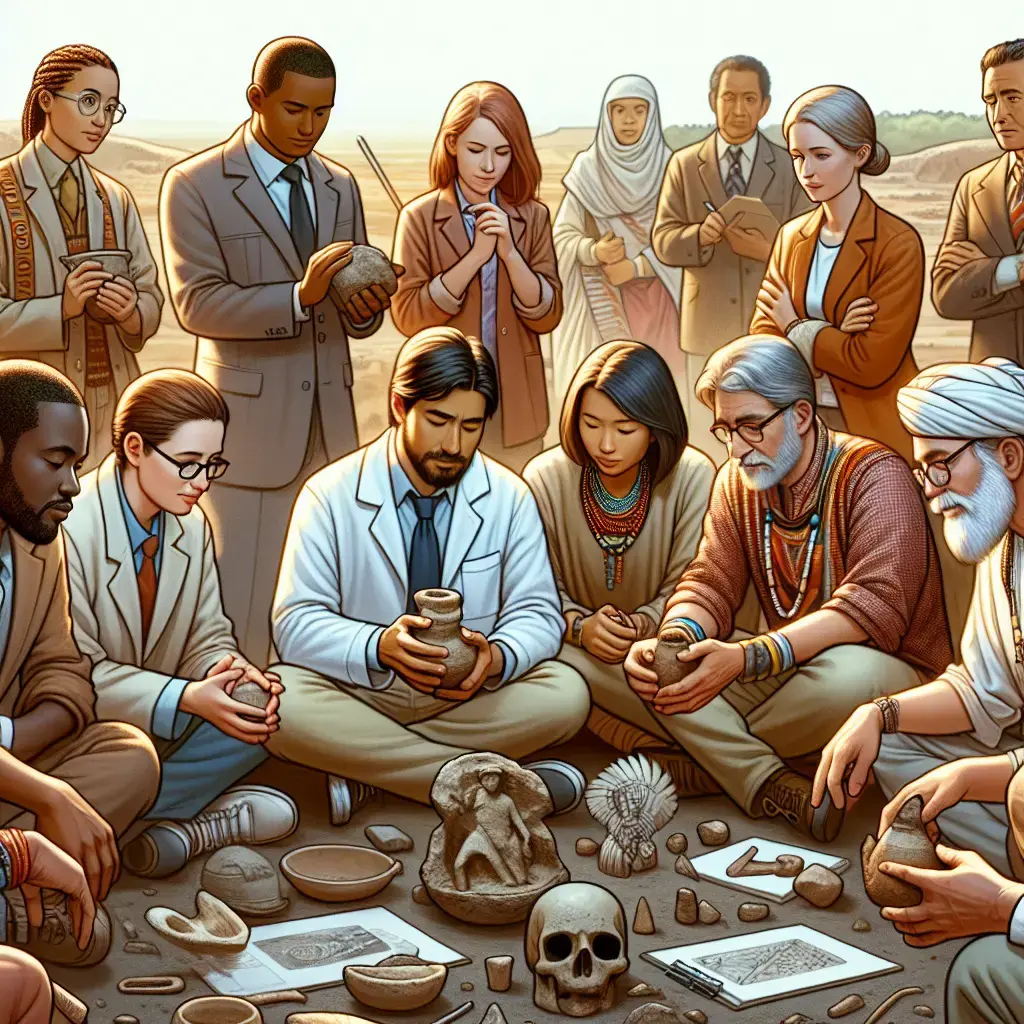
In recent years, the fields of archaeology and cultural anthropology have found themselves at the crossroads of science and societal ethics.
The evolving debate around the repatriation laws, such as the Native American Graves Protection and Repatriation Act (NAGPRA), exemplifies this intersection. These laws have sparked intense discussions among professionals about the balance between scientific inquiry and cultural sensitivity.
The Impact of Repatriation Laws on Archaeological Research
NAGPRA, established in 1990, mandates the return of skeletal remains and certain cultural artifacts to their respective Native American tribes. While it serves an important role in acknowledging past injustices and respecting cultural heritage, its implications for archaeological research have been profound. Many scholars argue that these restrictions hinder scientific discovery and limit access to valuable historical data.
Challenges Faced by Researchers
Limited Access to Materials:
- Researchers often face restrictions on studying human remains or artifacts that could provide insights into human history and evolution.
Professional Retaliation:
- Academics like Dr. Elizabeth Weiss have reported experiencing censorship and backlash for critiquing repatriation policies. This has led to a culture where open debate is stifled.
Ethical Dilemmas:
- The need to respect indigenous rights and narratives sometimes conflicts with scientific pursuits, creating moral quandaries for researchers.
The Role of Identity Politics and Cancel Culture
Identity politics and cancel culture play significant roles in shaping the current landscape of archaeological studies. The pressure to align with certain political or cultural viewpoints can lead to self-censorship among scholars, deterring them from pursuing controversial research topics or publishing dissenting opinions.
Cultural Sensitivity vs. Scientific Freedom:
- There is a delicate balance between respecting indigenous cultures and preserving the integrity of scientific exploration.
Public Perception and Academia:
- The fear of being 'canceled' or ostracized for unpopular views can discourage genuine scholarly discourse.
Moving Forward: A Call for Balance
As the field of cultural anthropology continues to evolve, finding a middle ground is essential. Researchers must advocate for policies that respect both scientific inquiry and cultural heritage. This involves fostering dialogue between indigenous communities and academics to collaboratively develop research methodologies that honor both perspectives.
In conclusion, while repatriation laws like NAGPRA play a critical role in rectifying historical wrongs, they also present challenges to the academic community. By promoting open dialogue and mutual respect, we can hope to advance both cultural understanding and scientific progress.
To explore further about the complexities surrounding this topic, you can read more here.
Warm regards,
Oliver Jennings
In pursuit of understanding our shared human past.